

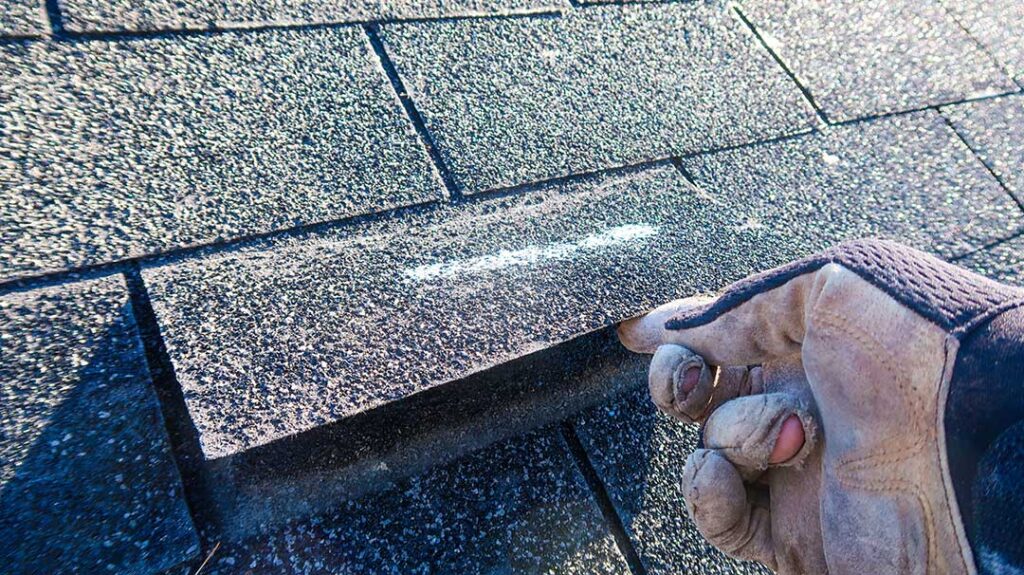
Asphalt shingles are the most common roofing material on residential homes, and a properly installed roof can often protect a house for roughly 15 to 30 years. The actual service life depends on shingle quality, attic ventilation, roof slope, installation details, weather exposure, and how quickly small problems are addressed.
In Webster, MI, seasonal temperature swings, snow, ice, wind, summer storms, and repeated freeze-thaw cycles can place extra stress on roofing materials. Regular observation and simple maintenance can help identify problems before they become interior leaks or structural damage.
How long should an asphalt shingle roof last?
A typical three-tab asphalt shingle roof may last approximately 15 to 20 years. Architectural or dimensional shingles commonly last about 20 to 30 years under favorable conditions. These are general ranges, not guarantees.
A roof may reach the upper end of its expected life when it has:
- Proper installation and adequate underlayment
- Good attic ventilation and insulation
- Correct roof drainage
- Limited exposure to severe wind, hail, and falling branches
- Regular inspection and timely repairs
- No prolonged moisture problems
A roof can age faster if shingles were installed over a damaged deck, if the attic stays excessively hot and humid, or if water repeatedly backs up around valleys, chimneys, skylights, walls, or roof penetrations.
The warranty period printed on roofing materials should not be treated as a precise expiration date. A warranty describes certain product and installation conditions, while the roof’s real condition depends on the entire roofing system.
What causes asphalt shingles to wear out?
Sunlight gradually dries and weakens the asphalt coating. Shingles may lose flexibility, develop cracks, or begin shedding protective granules. Granules are the rough, ceramic-coated particles that help protect shingles from ultraviolet exposure and weather.
Water is another major source of deterioration. Shingles are designed to shed water, but they are not intended to remain under standing water. Poor drainage, blocked gutters, damaged flashing, or debris-filled valleys can allow moisture to reach the underlayment and roof deck.
Wind can lift or loosen shingles, especially along roof edges and ridges. Once the adhesive bond is broken, a shingle may appear intact while allowing wind-driven rain underneath.
In winter, repeated melting and refreezing can create ice dams along colder roof edges. Ice dams may force water beneath shingles and into insulation, ceilings, and wall cavities. Good attic insulation and ventilation can reduce the temperature differences that contribute to this problem, although they cannot prevent every winter-related issue.
What maintenance does an asphalt shingle roof need?
Most roof maintenance involves keeping water moving away from the house and watching for visible changes. A practical routine includes the following:
- Clean leaves, twigs, and other debris from valleys and roof areas where it collects.
- Keep gutters and downspouts clear so rain and melting snow can drain properly.
- Make sure downspouts discharge water away from the foundation.
- Trim branches that scrape the roof or overhang it heavily.
- Check visible flashing around chimneys, vent pipes, skylights, and wall intersections.
- Look for loose, lifted, cracked, or missing shingles after strong wind.
- Inspect attic areas for damp insulation, water staining, mold-like growth, or daylight through the roof deck.
- Watch ceilings and upper walls for new discoloration or bubbling paint.
Do not pressure-wash asphalt shingles. High-pressure water can remove granules, loosen shingles, and drive water beneath the roofing surface. Harsh chemical treatments can also shorten shingle life or damage nearby landscaping and metal components.
Walking on a roof is not necessary for ordinary homeowner observation. Shingles become brittle with age, and a steep or wet roof creates a serious fall hazard. Ground-level viewing, attic checks, and inspection from a safely positioned ladder are usually more appropriate.
How often should a roof be inspected?
A visual review twice a year is a useful general routine: once after winter and once after the main summer storm season. Additional checks are sensible after high winds, hail, heavy snowfall, or a large branch falling nearby.
The most useful inspection is not limited to the shingles. It should also consider:
- Flashing and sealants
- Roof penetrations
- Valleys and eaves
- Gutters and downspouts
- Attic ventilation
- Roof decking
- Signs of moisture inside the home
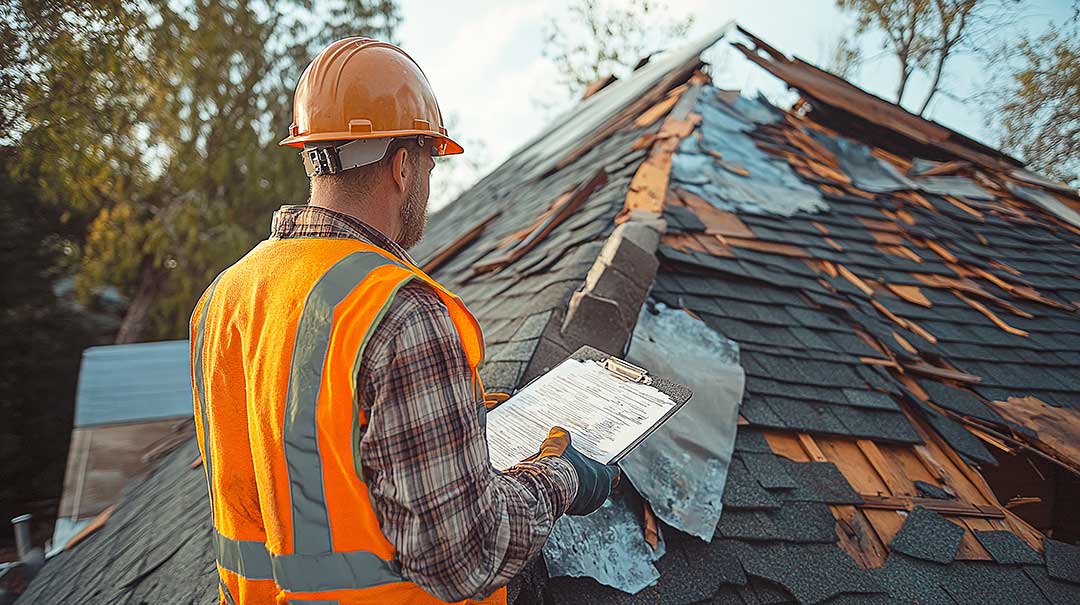
A roof that looks acceptable from the ground may still have hidden damage around flashing or beneath lifted shingles. Conversely, a few loose shingles do not always mean the entire roof has failed. The extent, location, and age of the damage matter.
What are the warning signs that a roof may need replacement?
Replacement becomes more likely when deterioration is widespread rather than limited to one repairable area. Common warning signs include:
- Shingles that are curling, cracking, blistering, or losing large amounts of granules
- Bald patches where the underlying mat is visible
- Numerous missing or loose shingles
- Sagging along a roof plane or ridge
- Repeated leaks in different areas
- Dark streaks or moss that remain associated with persistent moisture
- Exposed or deteriorated flashing
- A roof approaching or exceeding its expected service range
Granules in gutters are not automatically proof that a roof needs replacement. Some granule loss is normal, especially after installation. A significant increase in granules, combined with brittle shingles or exposed areas, is more concerning.
Moss should not simply be scraped away because scraping can remove the shingle’s protective surface. The underlying moisture source also needs attention, such as shade, poor drainage, or debris buildup.
Can an old roof be repaired instead of replaced?
Yes, localized repairs may be reasonable when the underlying roof system remains sound. Repair may address a small number of missing shingles, damaged flashing, a puncture, or a confined leak.
Replacement is more practical when leaks are recurring, shingles are deteriorating across most of the roof, or the roof deck has widespread moisture damage. Repeated patching can become unreliable if the surrounding shingles are too brittle to seal properly.
Interior stains also require careful interpretation. The visible stain may be far from the actual entry point because water can travel along roof decking, rafters, insulation, or wall framing before appearing indoors.
Does ventilation affect roof lifespan?
Yes. Attic ventilation helps release heat and moisture, but ventilation works best as part of a balanced system that includes adequate insulation and controlled air leakage from the living space.
Poor ventilation can contribute to excessive summer heat, winter condensation, damp insulation, and deterioration of roof decking. Adding a roof vent without addressing blocked intake vents or attic air leaks may not solve the underlying problem.
In older homes, ventilation details may differ from current construction practices. Any change should preserve the roof’s weather barrier and avoid allowing snow or rain to enter through improperly protected openings.
What should homeowners document?
Keep records of the roof’s installation date, shingle type if known, repairs, storm damage, and recurring leak locations. Photographs taken from safe ground-level positions can help track changes over time.
Knowing the approximate age of the roof is especially useful when buying or selling a home, planning household expenses, or deciding whether a repair is likely to be temporary. For work involving steep slopes, structural damage, electrical hazards, unstable surfaces, or suspected mold, safety and building-code requirements should take priority over routine maintenance.