

Replacing a roof is more than removing old shingles and installing new ones. The work affects weather protection, attic ventilation, drainage, insulation, and sometimes the structure of the home. For households in Webster, MI, seasonal temperature swings, snow, ice, wind, and heavy rain make careful planning especially important.
Avoiding common mistakes can help prevent leaks, premature wear, unexpected costs, and avoidable damage to the roof system.
How does choosing a roofing material without considering the home cause problems?
The right roofing material depends on more than appearance or price. Roof slope, attic ventilation, local weather exposure, structural condition, and the home’s existing design all affect performance.
A common mistake is selecting a material based only on color or the lowest initial cost. Some roofing products require specific slopes, underlayment systems, fastening methods, or ventilation conditions. A material that performs well on one roof may not be appropriate for another.
Before replacement, consider:
- The roof’s slope and shape
- Exposure to wind, snow, ice, and standing water
- The condition of the roof deck
- Existing flashing and ventilation
- The expected service life of the material
- Whether the roof structure can support the planned assembly
Appearance still matters, but it should follow practical compatibility rather than replace it.
Why is skipping a roof inspection before replacement risky?
A roof may look worn without having the same problem across every section. Conversely, damage that is not visible from the ground may exist beneath shingles, around penetrations, or inside the attic.
Skipping a detailed inspection can result in new roofing being installed over:
- Soft or rotted roof decking
- Water-stained insulation
- Damaged rafters or trusses
- Failed flashing
- Blocked or inadequate ventilation
- Hidden mold or long-term moisture damage
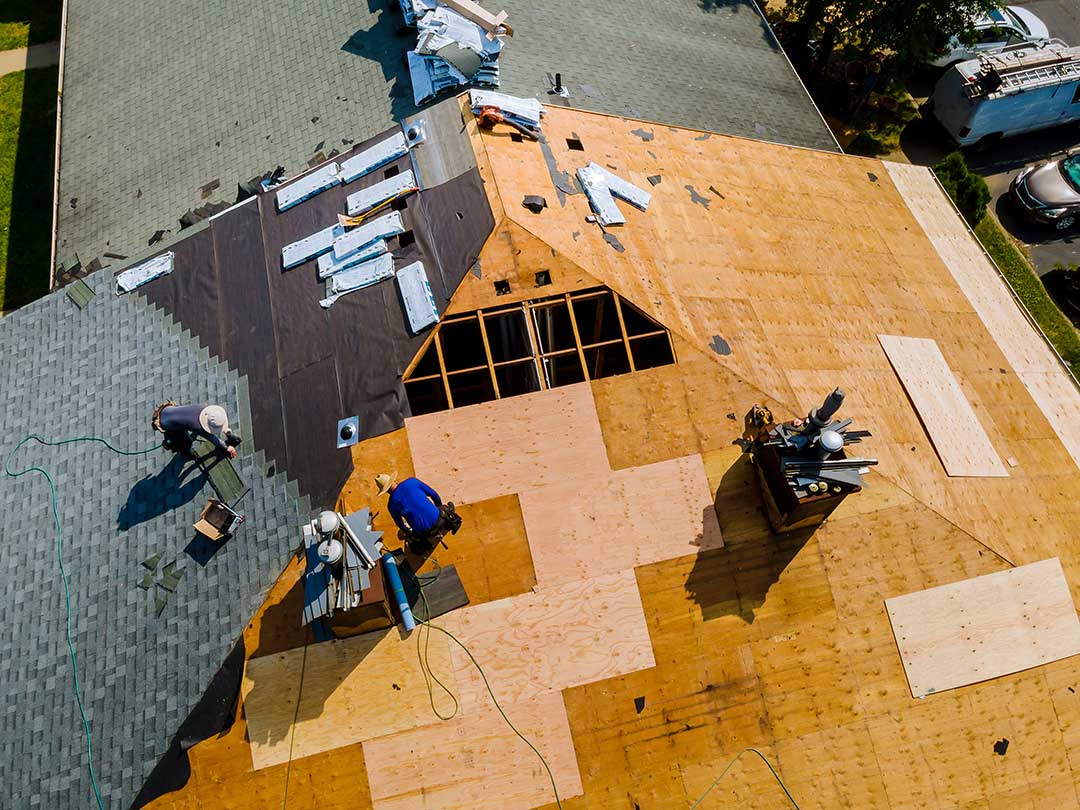
The roof deck provides the fastening surface for shingles or other coverings. If it is weak, fasteners may not hold properly, and the new roof can develop problems even when the outer material is new.
A replacement plan should account for likely concealed damage, especially around chimneys, roof valleys, skylights, plumbing penetrations, eaves, and areas where past leaks have occurred.
Is installing new shingles over old roofing always a mistake?
Not always, but assuming that an additional layer is automatically acceptable can create problems. Multiple roofing layers add weight, may hide deteriorated decking, and can make it more difficult to inspect or repair the underlying roof.
Covering the old roof may also leave uneven areas in place. Those irregularities can telegraph through the new surface, interfere with proper fastening, or allow moisture to remain trapped.
A complete tear-off usually provides a better opportunity to inspect the deck and correct underlying defects. Whether more than one layer is permitted or practical depends on the roof’s condition, design, and applicable requirements. The decision should be based on the actual roof system rather than convenience alone.
What happens when flashing is reused or installed incorrectly?
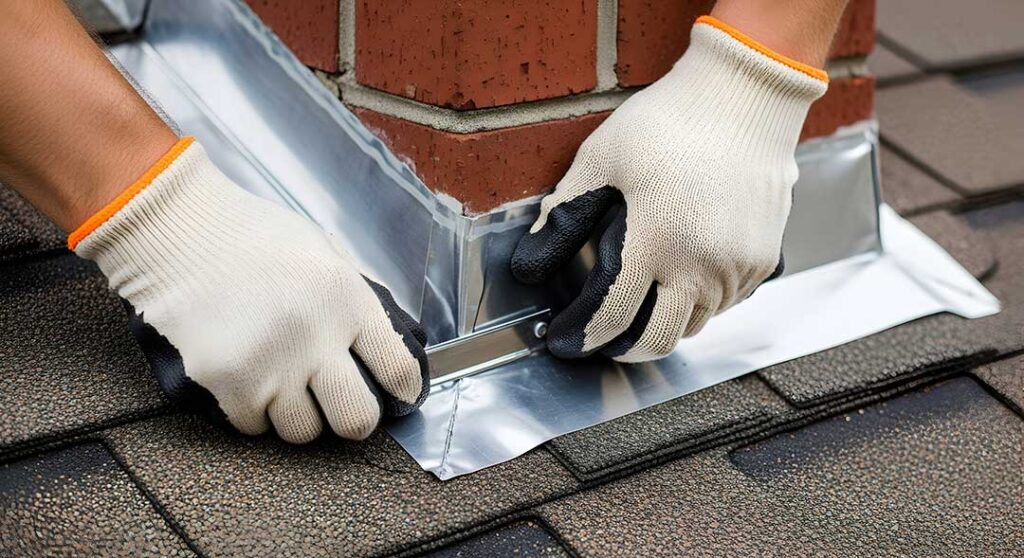
Flashing directs water away from vulnerable joints. It is commonly used around chimneys, walls, valleys, vents, skylights, and roof edges. Many roof leaks begin at these transitions rather than in the middle of an otherwise intact shingle field.
Reusing old flashing can be a mistake when it is bent, corroded, poorly sealed, or no longer compatible with the replacement material. New shingles cannot correct flashing that was installed incorrectly in the first place.
Particular attention is needed around:
- Chimney sides and upper edges
- Wall-to-roof intersections
- Valleys where roof sections meet
- Plumbing vent boots
- Skylight frames
- Eaves and rakes
- Areas where additions connect to the original structure
Sealant is not a substitute for properly designed flashing. Caulk can deteriorate, separate from surfaces, or conceal an installation problem without correcting the path water takes.
Why does poor attic ventilation shorten roof life?
A replacement roof can still fail early if attic moisture and heat are not managed. In winter, warm indoor air that reaches a cold attic can condense on roof components. In warmer weather, excessive attic heat can stress roofing materials and increase indoor cooling demand.
Ventilation works as part of a system. Intake ventilation near the lower roof edge must work with properly placed exhaust ventilation higher on the roof or at the ridge. Adding only one type of vent may not solve the problem and can sometimes disrupt intended airflow.
Warning signs of ventilation or moisture issues include:
- Frost or dampness on roof framing
- Musty attic odors
- Rusted fasteners
- Peeling paint near upper ceilings
- Excessive heat in the attic
- Mold-like staining
- Ice buildup along the roof edge during freezing weather
Air sealing and insulation are also part of the solution. Ventilation should not be used to compensate for uncontrolled warm air escaping from the living space.
What fastening mistakes affect a new roof?
Fasteners hold the roofing system in place, so placement matters. Nails that are too short, misplaced, underdriven, overdriven, or installed at the wrong angle may reduce resistance to wind and water.
A fastener driven too deeply can damage the shingle and reduce its holding power. A nail placed too high may miss the intended fastening area or fail to secure the overlapping layer. Too few fasteners can also leave the roof vulnerable during strong wind.
Other overlooked details include:
- Using fasteners that are not suitable for the roofing material
- Failing to account for the manufacturer’s fastening pattern
- Leaving exposed nail heads unprotected where protection is required
- Installing shingles over damp or contaminated surfaces
- Ignoring how cold-weather conditions affect handling and sealing
The visible rows of shingles may look correct while fastening problems remain hidden underneath.
Why should roof edges and drainage receive special attention?
Water damage often develops at the roof perimeter. Drip edges, eaves, valleys, gutters, and downspouts all influence how water leaves the roof. A replacement that focuses only on the field shingles can leave drainage weaknesses unchanged.
In a community with freezing temperatures and snow, blocked gutters and poorly directed runoff can contribute to ice buildup, saturated fascia, and water entry near roof edges. Downspouts should discharge water far enough away from the foundation to prevent repeated pooling.
Avoid covering damaged fascia or soffit materials without addressing the moisture source. Rot at the edge may indicate long-term drainage or ventilation problems rather than an isolated cosmetic defect.
Is timing a roof replacement only a matter of convenience?
Season affects installation quality. Extremely cold conditions may affect shingle flexibility and seal activation, while wet surfaces create safety and adhesion concerns. Sudden storms can expose unfinished areas to water.
Weather planning is especially important during seasons with frequent rain, freezing temperatures, or rapidly changing conditions. Materials should be stored according to their requirements, and the roof should not be left exposed overnight if weather protection is inadequate.
Homeowners should also plan for temporary effects such as noise, vibration, driveway access, falling debris, and the protection of landscaping or attic contents.
What paperwork and cleanup mistakes should be avoided?
Roof replacement is not finished when the last shingle is installed. Local requirements, permits, waste handling, and final inspection expectations may apply depending on the project. These details should be confirmed before work begins rather than after materials arrive.
Cleanup deserves equal attention. Roofing debris can collect in gutters, landscaping, attic spaces, and around exterior walls. Small nails may remain in soil, driveways, or walkways. A careful final review should include:
- Gutters and downspouts
- Attic areas beneath the work
- Lawn, driveways, and walkways
- Exterior walls and windows
- Flashing, vents, and roof edges
- Areas where old materials were removed
A clear written scope should explain what is included, how concealed damage will be handled, and which roof components are being replaced or retained. That documentation can prevent misunderstandings and make it easier to identify unfinished details.
How can homeowners recognize a rushed roof replacement?
Warning signs include new shingles installed over soft decking, visibly uneven courses, exposed fasteners, missing flashing, unprotected roof edges, debris left behind, or unexplained changes to the planned materials.
A careful replacement should leave the roof looking consistent and complete, but appearance alone is not enough. The more meaningful questions are whether water-shedding details were handled correctly, damaged materials were removed, ventilation was preserved, and the roof was secured for the local weather conditions.
For Webster, MI homes exposed to snow, freezing and thawing, wind, and heavy rainfall, the most durable result comes from treating the roof as a complete system rather than a thin outer layer. That means evaluating the deck, drainage, flashing, ventilation, insulation, fasteners, and weather protection together.